

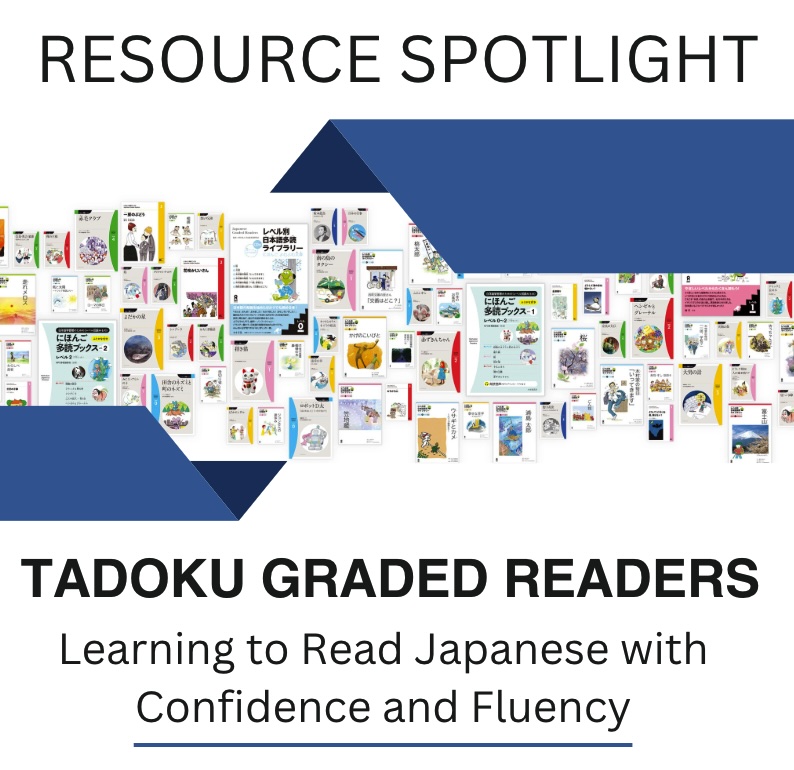
Learning to read Japanese can feel like climbing Mount Fuji—exciting yet overwhelming. With thousands of kanji, multiple scripts, and complex grammar, it’s easy to get lost. But fear not! The right resources can make all the difference. Today, we’ll explore my absolute favorite free tool for building reading confidence: Tadoku.org.
Tadoku.org – The Best Graded Readers for Beginners
Link: Tadoku.org
As a Japanese professor, I assign these books to my students from day one of learning to read in Japanese. Moving from a Latin-based reading system to a character-based one has unique challenges. Our first hurdle is becoming comfortable with Japanese script.
I remember when I was first learning, the characters seemed to swarm in front of me, making it hard to focus for more than a few minutes. Initially, I thought I just wasn’t capable of reading Japanese, but in reality, it was a stamina issue. Exposing ourselves to written Japanese bit by bit builds tolerance to unfamiliar characters.
If you’re just starting, graded readers are your best friend. They introduce hiragana and katakana gradually, then progress to longer sentences and kanji, making it easier to read real-world Japanese.
Why Tadoku Works
Tadoku.org offers a variety of free books designed specifically for learners. The concept of “Tadoku” (extensive reading) encourages reading without translating every word. Stories are written in simple Japanese, allowing vocabulary and grammar to sink in naturally.
When I first introduce Tadoku to my students, many feel intimidated by reading Japanese. One student hesitated to start because they thought they needed to understand every single word. But after a few weeks of reading Level 0 books, they proudly told me, “I never thought I could read an entire book in Japanese, but now I can!”
The Four Rules of Graded Readers
- Start from scratch – Choose an easier book, even if you think you should be at a higher level.
- Don’t use a dictionary – Let context guide your understanding.
- Skip over difficult words and passages – Focus on the overall meaning, not perfection.
- When the going gets tough, quit the book and pick another – Reading should be enjoyable, not stressful!
How to Use Tadoku for Maximum Results
Step 1: Observe Context Clues
Before jumping in, scan the images, diagrams, and charts. Ask yourself: Who is in the picture? What are they doing? This helps you predict what the story is about.
Step 2: Listen to the Audio
Every Tadoku book includes an audio component to support comprehension. If you’re using the free online version, you’ll see an audio button next to each book. Some books even have YouTube read-alongs.
Step 3: Read Independently
Tadoku allows you to download and print books. Printed books reinforce learning by engaging both visual and tactile memory.
If you prefer a DIY approach, you can use a PDF viewer like Adobe Acrobat to print books in booklet format, fold them, and staple them in the middle. For my students, I put the pages in plastic sleeves, bound them with brass brads, and used colorful duct tape matching Tadoku’s level colors.
Step 4: Join the Learner Community
Each book on Tadoku.org has a comment section where learners share their experiences. At lower levels, comments appear in your native language, while higher levels show discussions in Japanese. I encourage my students to leave comments in their books to create a shared learning experience.
Tadoku and the JLPT (Japanese Language Proficiency Test)
Tadoku books are not specifically designed for JLPT preparation, but they align well with the exam’s grammar and vocabulary expectations.
Here’s a rough comparison:
- Tadoku Level 1 = JLPT N5 (beginner)
- Tadoku Level 2 = JLPT N4
- Tadoku Level 3 = JLPT N3
- Tadoku Level 4 = JLPT N3 & N2
- Tadoku Level 5 = JLPT N2 & N1 (advanced)
Even if you’re not taking the JLPT, extensive reading naturally boosts proficiency and makes real-world Japanese more accessible.
Looking for More?
If you love the Tadoku method but prefer physical books, check out these graded readers on Amazon:
- Taishukan Japanese Readers – Structured for self-learners.
- Read Real Japanese Essays – Contemporary essays by popular authors.
- Breaking into Japanese Literature – Classic stories with full annotations.
For more recommendations, visit My Nihongo Lessons’ website.
Final Thoughts: Read More, Stress Less!
Reading in Japanese doesn’t have to be a struggle. Tadoku.org is an incredible free resource that helps learners gain fluency and confidence at their own pace. Stick with it, and your reading skills will improve naturally!
📌 Next Steps:
- Bookmark Tadoku.org and start reading today.
- Share your experience in the comments—what’s your favorite Tadoku story?
- Follow My Nihongo Lessons for more Japanese reading tips!
🚀 Happy Reading! 🇯🇵

Leave a Reply to LeaCancel reply